
To store clothes long term, wash or dry-clean everything first, let it dry completely, pack natural fibers in breathable cotton or canvas containers, fold knits instead of hanging them, add cedar for wool, and keep it all somewhere cool, dark and dry. Avoid cardboard boxes, vacuum bags for natural fibers, and attics or garages, where heat and humidity do the most damage.
Knowing how to store clothes long term sounds simple until you open a bin two years later and find a wool sweater full of moth holes, a leather jacket cracked along every fold, or a silk blouse yellowed beyond saving. The damage is almost always preventable. This guide covers how to prep clothes, which containers protect which fabrics, how to run a seasonal wardrobe swap, how to store clothes in a storage unit, and the mistakes that quietly ruin a wardrobe.
Off-season storage vs. true long-term storage
These two situations look similar but need different approaches, and mixing them up is where most problems start.
- Off-season storage means six months or less, like putting winter coats away in April and summer dresses away in October. The risks are lower and most standard containers will do the job.
- True long-term storage means anything beyond a year: clothes for a future child, a vintage collection, sentimental pieces, or a wardrobe you are holding through a move or renovation. Fabrics degrade in predictable ways under sustained heat, humidity and compression, and the longer the storage period, the more those conditions compound.
Rule of thumb: if you are storing for more than one season, treat it as long term.
Step 1: Clean everything before it goes in
This is the most important step and the one most people skip. Every piece should be freshly washed or professionally cleaned before storage.
- Oils and sweat left on fabric attract insects and speed up fiber breakdown, even on clothes that look clean.
- Invisible stains, especially sugars and food, oxidize over time into yellow-brown marks that will not wash out later.
- Perfume and fabric softener residue can attract pests and weaken some fibers.
Dry-clean wool, silk, cashmere and structured garments rather than machine washing them. Machine wash and fully dry everyday fabrics. Even slightly damp denim or cotton can develop mildew within weeks in a sealed container.
Step 2: Handle each fabric the right way
Different materials have different weak points. Here is what each one needs.
Wool and cashmere
The biggest threat to wool is clothes moth larvae, which feed on keratin, the protein in natural fibers. A cedar block or lavender sachet in the container acts as a deterrent. Mothballs work but leave a chemical smell that takes months to air out, and they should never touch fabric directly.
Never store wool compressed. Vacuum bags crush the loft of wool fibers, and sustained compression weakens them over time. Fold loosely, do not stack too many layers, and use breathable containers. Always fold knitwear, including cashmere; hanging a heavy knit stretches the shoulders permanently.
Silk
Silk is highly light-sensitive. UV exposure causes yellowing and fiber damage, which is why silk stored in clear bins or near windows often comes out discolored. Use opaque containers or wrap pieces individually in acid-free tissue paper. Keep silk in a stable environment, and keep it away from cedar and lavender, which can transfer oils or color to delicate weaves.
Leather and suede
Leather has two opposite enemies: too much moisture causes mold, and too little causes cracking. Condition leather before storing it, let the conditioner absorb fully, and store it in a breathable garment bag, never sealed plastic. Keep it at a stable room temperature. For suede, brush gently to lift the nap and use a breathable cover that will not crush it.
Denim
Denim is one of the most forgiving fabrics to store. Wash it first and fold it rather than hanging it, since its weight stresses waistbands over months. Denim tolerates a wider range of conditions than natural fibers like wool, and moths are not drawn to cotton.
Synthetics (polyester, nylon, spandex, acrylic)
Synthetics are the easiest to store long term. They do not attract moths and resist moisture better than natural fibers. The main risk is heat, which can degrade elastic and warp fibers. Wash, dry completely, fold cleanly and keep them away from heat sources. Sealed bins work fine.
Step 3: Choose the right container
This is where most long-term clothing storage goes wrong, either by using whatever boxes are on hand or by vacuum-sealing everything.
Breathable cotton bags and canvas bins
Best for: wool, cashmere, silk, leather, structured garments and anything natural fiber.
Breathable containers let air circulate, which prevents moisture buildup, mildew and musty odors. They are not the most space-efficient option, but they are the safest for fabric. They protect less against pests than sealed bins, so pair them with cedar or lavender.
Plastic bins with lids
Best for: synthetics, denim and everyday cotton in a stable environment.
Hard plastic bins protect against pests, dust and light moisture, and they stack and label easily. The tradeoff is that sealed plastic traps moisture. If you use plastic bins for natural fibers, add silica gel desiccant packets and check on them periodically.
Avoid cardboard for anything you care about. It absorbs moisture, attracts insects and can harbor mold.
Vacuum-sealed bags
Best for: synthetics, denim and bulky synthetic-fill items, for seasonal storage only.
Vacuum bags save a lot of space and are fine for a synthetic puffer for a few months. Do not use them for natural fibers stored long term. Wool, cashmere, silk and down all suffer from sustained compression, and some of that damage is permanent.
Step 4: Decide whether you need climate-controlled storage
For synthetics and denim stored a season or two, standard storage is usually fine. For natural fibers, leather, vintage pieces or anything valuable stored for a year or more, a stable environment matters a lot.
- Heat speeds up fiber breakdown, degrades elastic and distorts structured garments. Sustained temperatures above 85°F damage wool and silk, and attics regularly pass 130°F in summer.
- Humidity above 60% creates conditions for mold and mildew. Below 30%, natural fibers and leather dry out and turn brittle.
- Temperature swings, like an uninsulated garage going from summer to winter, make fibers expand and contract repeatedly, which stresses the fabric.
Places to avoid for long-term clothing storage: attics, garages, unfinished basements, and under-bed storage in humid apartments. The ideal is a cool, dark, dry space with steady conditions, roughly 55–80°F and 30–50% relative humidity.
This matters more in NYC than in many cities. Humid summers and dry, radiator-heated winters create exactly the humidity cycling that wears down natural fibers. Whatever space you use, breathable containers, desiccant packets and a mid-storage check go a long way.
Step 5: How to store clothes in a storage unit
Need storage?
Check available Urban Stash units near you.
The same principles apply in a storage unit, plus a few extra considerations.
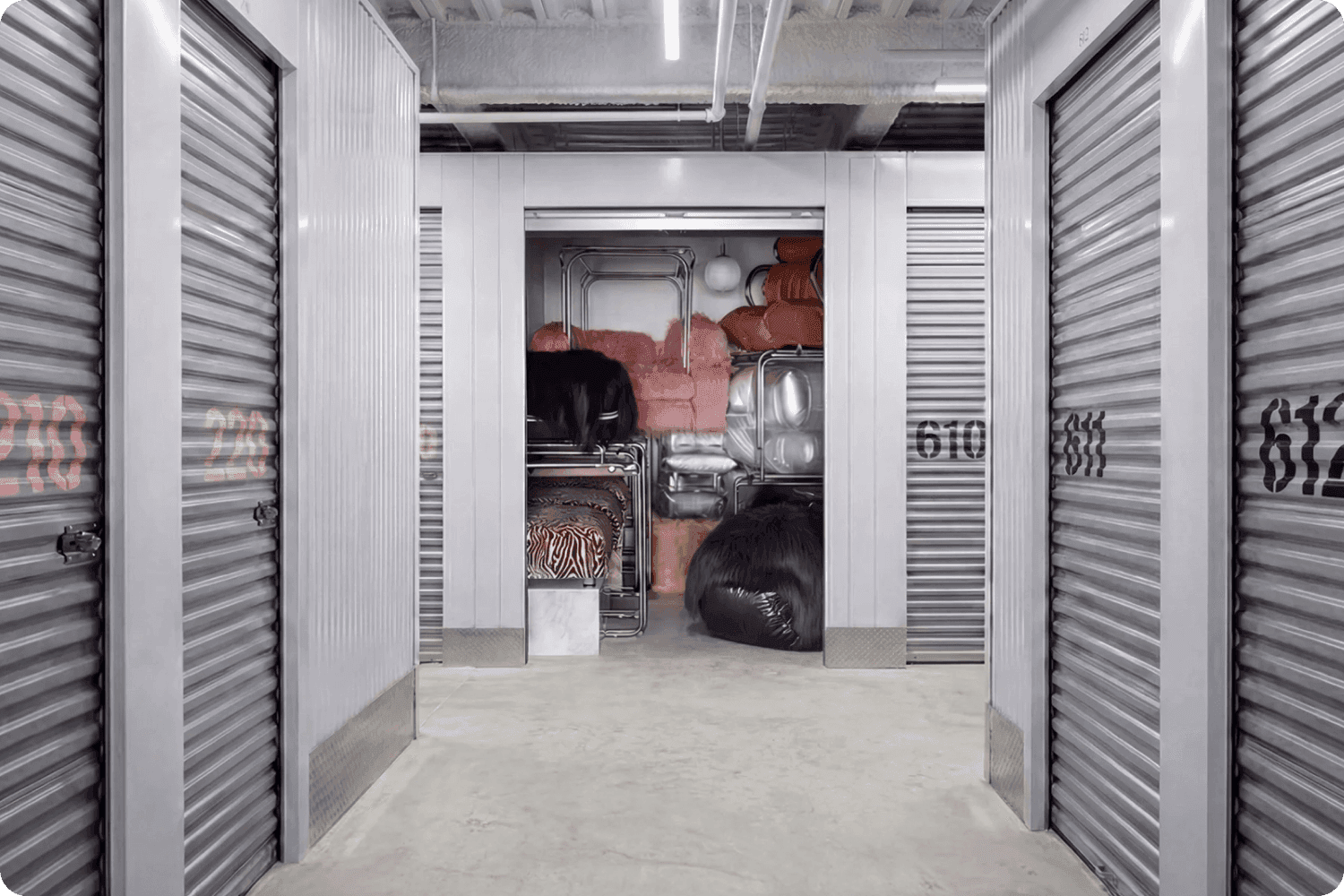
- Size the unit for airflow. Overpacking compresses clothing and limits air circulation. A small unit holds several bins of seasonal clothes; choose a full-height medium unit if you want wardrobe boxes for hanging pieces. Our storage size guide maps unit sizes to real use cases.
- Keep bins off the floor. Use a low shelf or pallet so containers are not sitting directly on concrete.
- Do not seal natural fibers in plastic if the space gets warm in summer; condensation can form inside the bin.
- Label the outside of every container by season and category so you can find one item without unpacking everything.
- Leave a gap between bins and walls for airflow and easy access.
Need room for next season's clothes? Urban Stash small units start at $50/month in Williamsburg and $80/month in the East Village, with 24/7 access from your phone. Check available units
How to do a seasonal wardrobe swap
A seasonal wardrobe swap means packing away clothes for the season that just ended and bringing out what you need for the next one. In a small NYC apartment, a swap twice a year keeps your closet limited to what you actually wear.
When to swap seasonal clothes in NYC
Most New Yorkers swap twice a year: mid-October to early November, when summer clothes go away and coats come out, and late April to May, when winter gear goes into storage. Wait until the forecast has settled; packing your only jacket during a warm week in October is a classic mistake. Keep a small transition bin of layers (a light jacket, a couple of sweaters) in your closet through each changeover.
Seasonal swap checklist
1. Pull out everything from the ending season so you can see it all at once. 2. Edit. Donate, sell or recycle anything you did not wear this season. Storing fewer pieces costs less and leaves room for airflow. 3. Clean and repair. Wash or dry-clean every item and fix loose buttons and small tears now; damage gets worse in storage. 4. Dry completely. Give washed items an extra day before packing. 5. Pack by fabric. Breathable containers and cedar for wool and cashmere; sealed bins for synthetics, denim and cotton basics. 6. Label by season and category, such as "Summer: dresses and linen" or "Winter: knits." 7. Bring out the new season and give those clothes a wash or an airing before you wear them.
How to store summer clothes
Summer clothes have their own risks. Sunscreen, deodorant and sweat leave residue that turns into yellow stains over the winter, so wash everything, including pieces you wore only once. Rinse swimwear in cool water to remove chlorine and salt, and dry it flat in the shade. Fold or loosely roll linen and cotton rather than packing them tight, and store whites in breathable bags or acid-free tissue to prevent yellowing. Clean sandals and sneakers and stuff them with paper to keep their shape.
How to store winter clothes
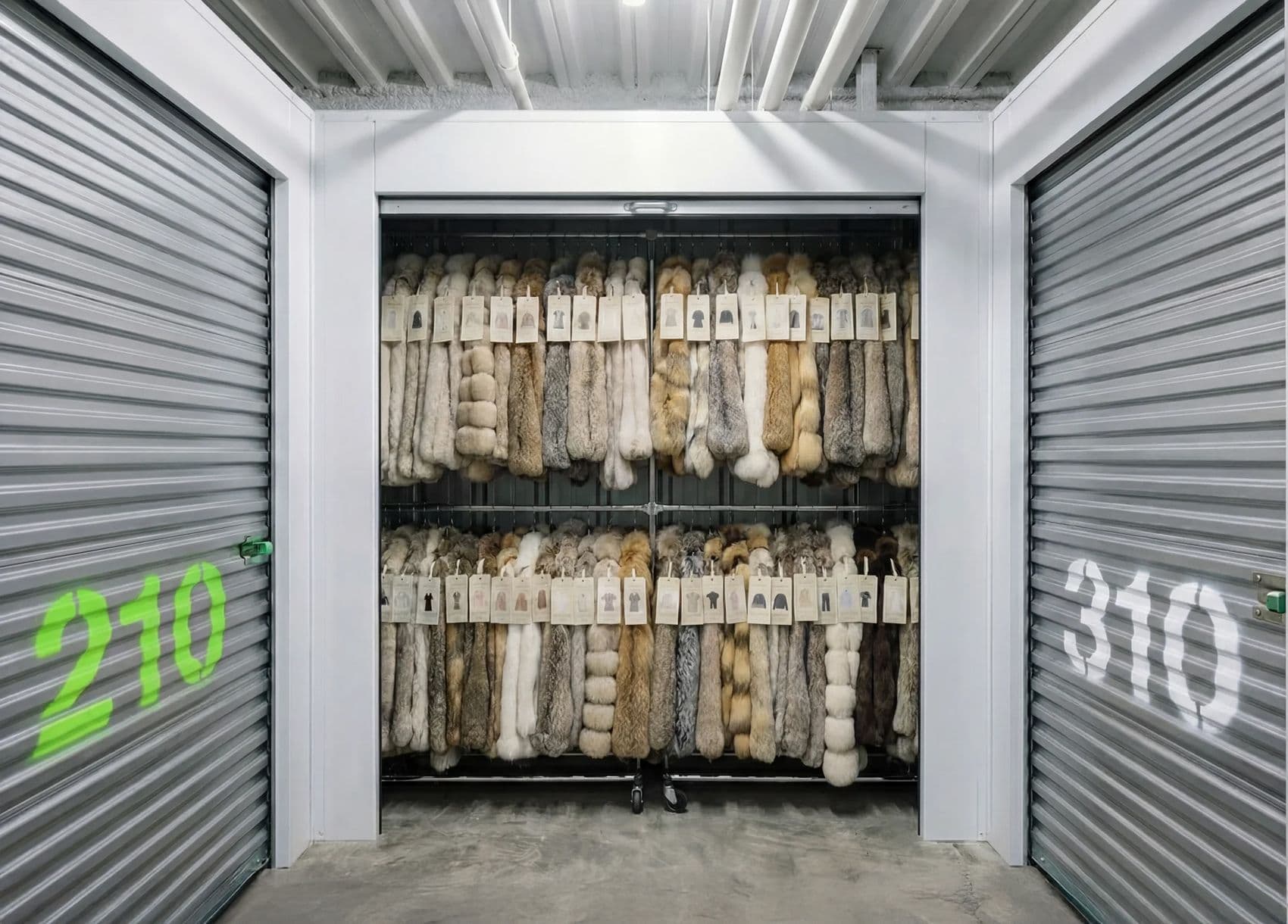
Dry-clean coats and wool before they go away; moths target worn wool. Store heavy coats on wide, padded hangers in breathable garment bags, or fold them loosely in canvas bins. Fold sweaters, never hang them. Down jackets can go in a breathable bag; avoid long-term vacuum sealing, which flattens the fill. Treat leather boots with conditioner and store them upright with boot shapers.
Seasonal clothing storage outside your apartment
If your closet cannot hold two seasons at once, a small storage unit nearby keeps your off-season wardrobe out of the apartment without making it hard to reach. Keep one or two labeled bins per season and you can do the whole swap in a single trip. With 24/7 access, you can grab a coat for an early cold snap after work instead of planning a weekend around it.
Common mistakes that quietly ruin clothes
- Hanging knitwear: it stretches and deforms under its own weight. Always fold.
- Storing dirty clothes: oils, sweat and stains set over time and become permanent.
- Cardboard boxes for delicate items: they absorb moisture and attract insects.
- Vacuum bags for natural fibers: long-term compression damages fiber structure.
- Attic or garage storage: extreme heat, cold and humidity cause damage that compounds every season.
- Old cedar: cedar loses potency after about six months. Sand it lightly or replace it.
- Sealed plastic in humid conditions: it traps moisture; add desiccant packets for natural fibers.
- Wire hangers for structured garments: they leave shoulder marks. Use wide, padded or wood hangers.
Find the right storage for your wardrobe
Whether it is a twice-a-year seasonal swap, a wardrobe refresh during a move or true long-term storage, a nearby unit makes it easier to keep your closet to what you actually wear. Urban Stash has small units from $50/month in Williamsburg and $80/month in the East Village, with 24/7 access from your phone, month-to-month terms and no security deposit.
Frequently asked questions
How do you store clothes long term without damaging them?
Clean everything first, use breathable cotton or canvas containers for natural fibers, fold knitwear instead of hanging it, add cedar or lavender for wool and cashmere, and keep clothes in a cool, dark, stable environment. Avoid cardboard, vacuum bags for natural fibers, and attics or garages.
How do you store summer clothes for the winter?
Wash everything to remove sunscreen, deodorant and sweat, which cause yellow stains over time. Dry fully, fold or loosely roll linen and cotton, store whites in breathable bags or acid-free tissue, and pack it all in labeled containers in a cool, dry place until spring.
When should you switch out seasonal clothes in NYC?
Most New Yorkers swap twice a year: mid-October to early November for fall and winter, and late April to May for spring and summer. Keep a few transitional layers out during each changeover because NYC weather often swings for a couple of weeks.
Is it OK to store clothes in plastic bins long term?
For synthetics and denim in a stable environment, yes. For wool, cashmere, silk or linen, sealed plastic can trap moisture and cause mildew. If you use plastic for natural fibers, add silica gel packets and make sure every item is completely dry.
Do clothes need climate-controlled storage?
Synthetics and denim handle standard conditions well for a season or two. Natural fibers, leather and vintage pieces are much more sensitive to humidity and temperature swings, so a stable environment matters for anything stored longer than a year, especially in a humid city like New York.
Can you store clothes in vacuum-sealed bags long term?
For synthetics and synthetic-fill jackets, vacuum bags are fine for a three- to six-month season. For natural fibers stored longer, sustained compression can permanently damage the fibers.
How do you store seasonal clothes with no closet space?
A small storage unit near home is the most practical option in a city apartment. A few labeled bins per season fit easily in a small unit, so you can keep only the current season in your closet and swap everything in one trip.
What is the best way to store wool sweaters long term?
Dry-clean or hand wash them, fold them, and place them in a breathable cotton bag or canvas bin with a cedar block or lavender sachet. Store them somewhere cool, dark and stable, and replace the cedar every six months.
How should you store a leather jacket long term?
Condition the leather, then store it on a wide hanger in a breathable garment bag, never sealed plastic. Keep it at a stable temperature with moderate humidity (40–50% is ideal), away from attics and garages.
How long can clothes stay in a storage unit?
Years, if they go in clean and dry, are packed in the right containers with moth deterrents for wool, and are kept in stable conditions. The environment matters more than the packing.
Ready for more room?
Find a storage unit that fits your stuff
Browse available units, compare sizes, and reserve online in a few minutes.
Written by
Urban Stash Team
Storage notes, city-living ideas, and practical ways to make more room for what matters.