Small Space Living
7 Things Taking Up Too Much Space in Your NYC Apartment
Is your NYC apartment feeling smaller than it should? Discover 7 common items taking up valuable space, from bulky suitcases and seasonal clothing to unused furniture and holiday decorations. Learn practical decluttering and storage tips to reclaim your space and make your apartment feel bigger.

Living in New York City often means making the most of every square foot. Whether you're in a studio in Manhattan, a one-bedroom in Brooklyn, or a shared apartment with limited closet space, keeping your home organized can feel like a constant challenge.
But sometimes, the problem isn't that your apartment is too small. It's that you're using valuable space to store things you rarely need.
From oversized suitcases to seasonal decorations, certain belongings can quietly take over your closets, under-bed storage, and living areas.
Here are seven common space-hogging items in NYC apartments — and what you can do about them.
1. Suitcases and Travel Bags
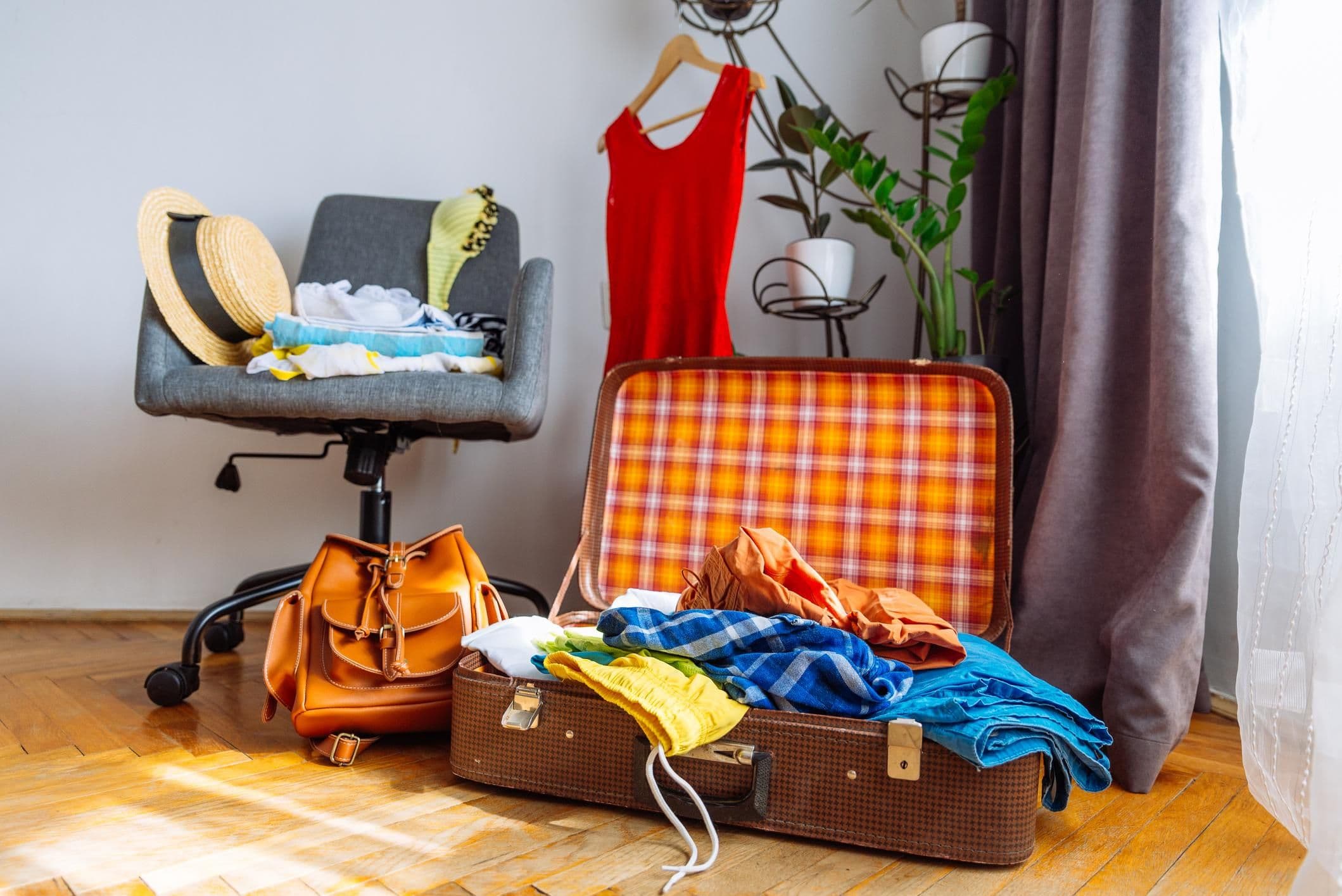
Suitcases are some of the biggest space wasters in small apartments.
A large checked suitcase can occupy a significant portion of your closet, even if you only travel a few times a year. Add a carry-on, duffel bags, and backpacks, and suddenly your entire closet floor is gone.
What to do instead:
- Nest smaller suitcases inside larger ones.
- Store travel accessories inside your luggage.
- Use the space above closets or under your bed if the dimensions allow.
- Consider off-site storage for luggage you only use occasionally.
If you're constantly rearranging your closet around empty suitcases, it may be time to give them a different home.
For more ideas, read our guide to where to store suitcases and winter clothes in NYC.
2. Out-of-Season Clothing
Winter coats, bulky sweaters, boots, and heavy blankets are essential during a New York winter. But once temperatures rise, they can occupy half your closet for months.
The same goes for summer clothes and seasonal accessories during colder months.
What to do instead:
- Rotate your wardrobe seasonally.
- Use vacuum-sealed bags for appropriate fabrics.
- Store clean, completely dry clothes in sealed containers.
- Keep only your current-season wardrobe easily accessible.
If your closet is already full, moving seasonal items into a separate storage space can free up room for the clothes you actually wear.
3. Holiday Decorations
Christmas trees, Halloween decorations, string lights, and seasonal home accessories can take up surprising amounts of space.
The frustrating part? Most of these items are used for only a few weeks each year.
In a small NYC apartment, dedicating an entire closet shelf or corner to holiday decorations isn't always practical.
What to do instead:
- Use labeled, stackable storage bins.
- Keep fragile decorations in protective packaging.
- Donate decorations you haven't used in several years.
- Move bulky seasonal decorations out of your apartment between holidays.
Your holiday decorations shouldn't need permanent access to your everyday living space.
4. Sports and Outdoor Equipment
Bicycles, skis, snowboards, golf clubs, camping gear, and other recreational equipment can quickly overwhelm a small apartment.
These items are often awkwardly shaped, difficult to stack, and impossible to hide.
If you live in a walk-up or share your apartment with roommates, finding room for them becomes even more challenging.
What to do instead:
- Use wall-mounted racks for frequently used equipment, where permitted.
- Store smaller accessories in dedicated containers.
- Keep regularly used items accessible.
- Consider separate storage for seasonal or rarely used equipment.
Before storing bicycles, batteries, fuel-powered equipment, or other specialized items off-site, confirm the facility's rules and restrictions.
5. Extra Furniture You Don't Use
That spare dining chair, old coffee table, unused desk, or extra set of shelves might seem worth keeping.
But in a NYC apartment, furniture you aren't using can make your space feel noticeably smaller.
Even a single unnecessary piece can block natural light, reduce walking space, or make a room feel crowded.
What to do instead:
- Sell or donate furniture you no longer need.
- Choose multifunctional furniture when replacing items.
- Measure your space before bringing in anything new.
- Store valuable furniture temporarily if you're planning a move or redesign.
If an item has no immediate purpose, ask yourself whether keeping it inside your apartment is worth the space it occupies.
6. Kitchen Appliances and Rarely Used Household Items
Air fryers, blenders, stand mixers, slow cookers, oversized cookware, and extra serving dishes can fill kitchen cabinets faster than you expect.
And in NYC, where many apartments have limited kitchen storage, countertop space is especially valuable.
Need storage?
Check available Urban Stash units near you.
The same problem applies to rarely used household items like spare lamps, fans, and extra bedding.
What to do instead:
- Keep frequently used appliances within easy reach.
- Donate duplicate kitchen tools.
- Use vertical cabinet organizers and stackable shelving.
- Store infrequently used, nonperishable household items separately when practical.
A useful rule: If you haven't used something in a year, consider whether you really need to keep it.
7. Boxes of Things You're Keeping “Just in Case”
Almost every apartment has them.
Old electronics, college textbooks, sentimental belongings, unused gifts, spare cables, paperwork, and boxes you haven't opened since your last move.
Individually, these items might not seem like a problem. Together, they can consume an entire closet or corner.
What to do instead:
- Sort belongings into keep, donate, recycle, and discard categories.
- Digitize paperwork where appropriate.
- Recycle obsolete electronics through approved programs.
- Organize sentimental items in clearly labeled containers.
- Move belongings you want to preserve but rarely access into storage.
The goal isn't to get rid of everything meaningful. It's to make room for the things that matter in your everyday life.
When Does It Make Sense to Rent a Storage Unit in NYC?
Not every apartment needs external storage.
But if your closets are overflowing, you're constantly moving things around to access other belongings, or seasonal items are taking over your living space, a storage unit may be worth considering.
Neighborhood storage can be especially useful for NYC residents who want to keep belongings nearby without dedicating precious apartment space to them.
Before renting, consider:
- Location: How easy is it to reach your belongings?
- Unit size: Are you paying for more space than you need?
- Access: Can you visit when it's convenient for you?
- Rental flexibility: Do you need storage for a few months or longer?
- Total cost: What fees or protection charges apply beyond the advertised rent?
For more guidance, check out our article on finding affordable storage in Manhattan.
Reclaim Your NYC Apartment With Urban Stash
At Urban Stash, we believe you shouldn't have to choose between keeping your belongings and enjoying your living space.
Our neighborhood-based storage facilities are designed to make self-storage more convenient for New Yorkers, with smart-lock technology, flexible month-to-month rentals, and locations close to where people live.
Whether you're looking to store suitcases, seasonal clothing, holiday decorations, or extra household items, having storage nearby can help you reclaim valuable square footage.
Explore our storage locations:
**Explore Urban Stash Storage Units**
Frequently Asked Questions
What takes up the most space in a small NYC apartment?
Bulky furniture, suitcases, seasonal clothing, sports equipment, and boxes of rarely used belongings are common space-consuming items. Reducing clutter and moving infrequently used items out of everyday living areas can make a noticeable difference.
How can I create more storage space in a small apartment?
Start by decluttering, using vertical shelving, choosing multifunctional furniture, and organizing closets with stackable containers. For more inspiration, explore our 7 ways to make your small NYC apartment feel bigger.
Is a storage unit worth it for a small NYC apartment?
It depends on how much space you need, the value of the belongings you're keeping, and the cost of storage. For renters with limited closets and valuable seasonal items, nearby storage can be a practical alternative to overcrowding their homes.
What should I avoid putting in a storage unit?
Storage facilities generally restrict hazardous materials, flammable substances, perishables, and certain other items. Always review your facility's prohibited-items policy before moving anything into storage.
How do I organize seasonal belongings?
Group items by season, clean and dry them before packing, use appropriately sized containers, and label everything clearly. Keep items you need frequently accessible and store less-used belongings separately.
The Bottom Line
Your NYC apartment should be a place to live, not a warehouse for things you use twice a year.
By identifying what's taking up unnecessary space and making smarter decisions about what stays, what goes, and what belongs in storage, you can create a home that feels more open, functional, and comfortable.
Sometimes, getting more space doesn't require moving to a bigger apartment. It just requires using the space you already have more intentionally.
Ready for more room?
Find a storage unit that fits your stuff
Browse available units, compare sizes, and reserve online in a few minutes.