
Cheap storage in Manhattan has a reputation problem. The word “cheap” often leads to one of two things: a facility advertising a suspiciously low price that comes with unexpected fees, or a storage unit that's affordable but inconvenient, outdated, or difficult to access.
Neither is what most Manhattan renters are looking for.
What they actually want is simple: clean, secure, affordable storage that's close to home, easy to access, and doesn't come with unpleasant surprises.
And when you're already paying Manhattan rent, every dollar and square foot matters.
This guide breaks down what affordable storage in Manhattan really means, what affects storage prices, how to avoid overpaying, and how to find the right storage unit for your needs.
What Does Cheap Storage in Manhattan Actually Mean?
Finding cheap storage in Manhattan isn't just about choosing the lowest monthly price. It's about finding the best value for the space, convenience, and accessibility you're getting.
Think about the alternatives.
If your apartment is running out of space, you could upgrade to a larger apartment, get rid of belongings you'd rather keep, or rent a storage unit nearby.
For many New Yorkers, self-storage is the most practical option.
Consider this illustrative comparison:
Option 1: Upgrade to a Larger Apartment
- Additional monthly rent: $500
- Additional annual cost: $6,000
Option 2: Rent a Small Storage Unit
- Monthly storage cost: $100
- Annual storage cost: $1,200
Potential savings with self-storage: $4,800 per year.
These figures are examples for comparison, not verified Manhattan market averages or a current Urban Stash quote.
A nearby storage unit can give you extra room without the expense and hassle of moving.
But price alone doesn't determine value.
A $150 storage unit two blocks from your apartment might be more practical than an $80 unit that requires a lengthy subway ride every time you need something.
The real cost of storage includes your time, convenience, and accessibility—not just the monthly rent.
Why Is Storage in Manhattan So Expensive?
Manhattan storage prices are influenced by many of the same factors that make apartments expensive: limited space, high real estate costs, and strong demand.
However, there are several ways to keep your monthly storage costs manageable.
1. Choose the Right Storage Unit Size
One of the easiest ways to overpay for self-storage is to rent more space than you need.
Many NYC renters don't need a room-sized unit. They simply need somewhere to keep belongings that aren't used every day.
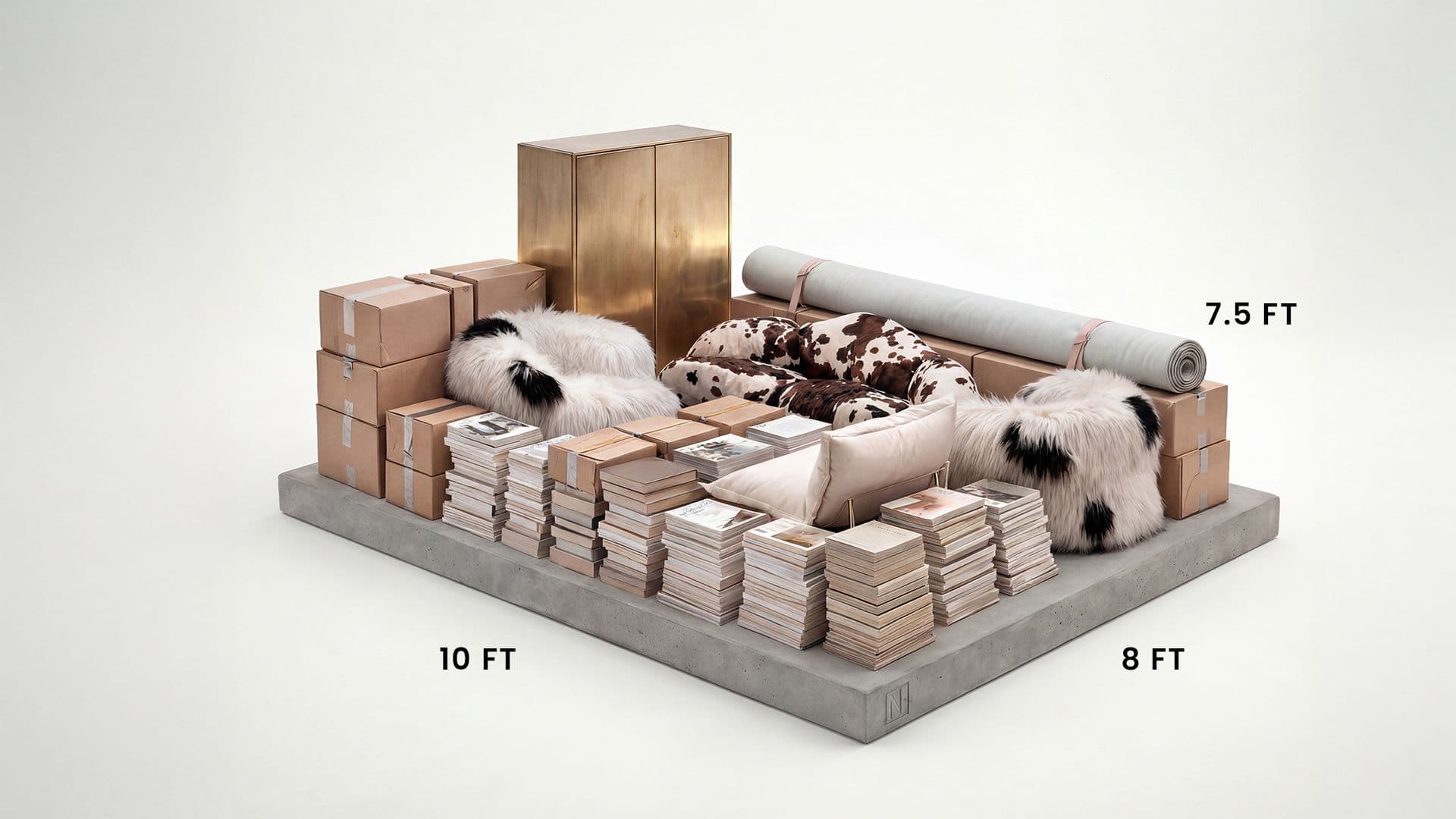
A small storage unit may be enough for:
- Seasonal clothing and winter coats
- Suitcases and travel bags
- Holiday decorations
- Boxes of documents
- Sports equipment
- Extra household items
Before booking, measure your belongings and review the Urban Stash storage size guide.
Choosing the smallest unit that comfortably fits your belongings can help you avoid unnecessary monthly costs.
2. Prioritize Convenient Locations
Location is one of the biggest factors affecting storage prices and convenience.
A facility in Midtown Manhattan may have different operating costs and pricing than one in the East Village or another downtown neighborhood.
But the cheapest unit isn't necessarily the best choice if getting there becomes a hassle.
When comparing storage facilities, consider:
- Walking distance from your apartment
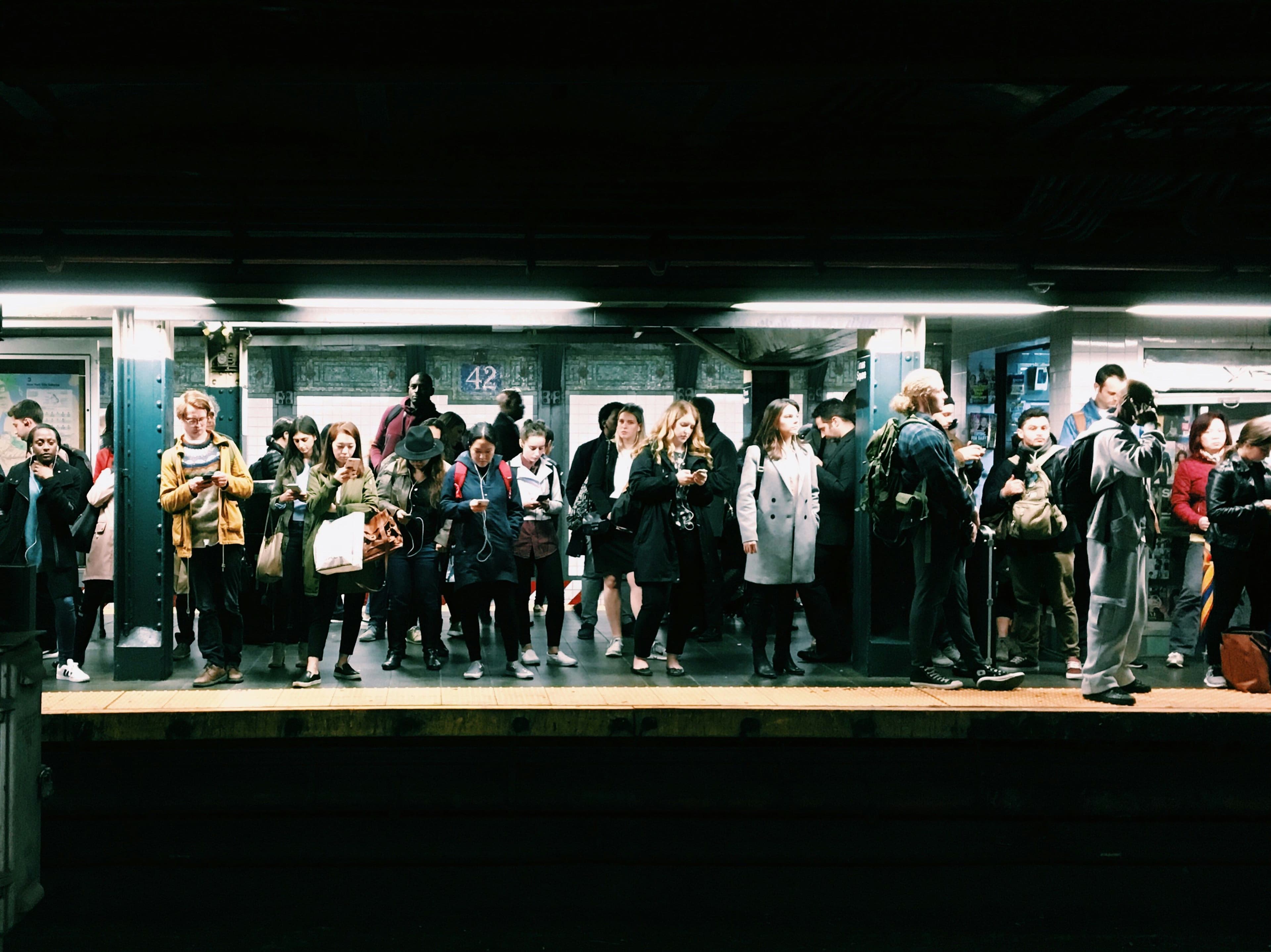
- Nearby subway stations
- Accessibility during evenings and weekends
- How frequently you'll need your belongings
- Whether transporting items requires a car or moving service
For renters in Lower Manhattan, Urban Stash's East Village location at 24 Avenue B offers a neighborhood storage option with 24/7 access.
3. Understand the Total Monthly Cost
Some storage facilities advertise attractive introductory rates that don't tell the whole story.
Before booking, review the full pricing structure.
Ask whether the facility charges separately for insurance or protection plans, administrative fees, locks, deposits, or other services.
Also check whether promotional rates expire after the first few months.
The best affordable storage option is one where you understand exactly what you'll be paying throughout your rental.
How to Find Cheap Storage Units in Manhattan Without Overpaying
Finding affordable storage doesn't have to be complicated. A few smart decisions can make a meaningful difference.
1. Search by Neighborhood, Not Just Borough
Searching for "cheap storage NYC" can return facilities throughout the five boroughs and even New Jersey.
Instead, narrow your search to neighborhoods close to where you live.
For example:
- Cheap storage in the East Village
- Affordable storage in Lower Manhattan
- Self-storage near the Lower East Side
- Storage units near Union Square
- Small storage units in Manhattan
A nearby facility is often worth more than a slightly cheaper option across the city.
2. Start With the Smallest Unit
Before comparing prices, figure out how much space you actually need.
If you're storing a few suitcases, seasonal clothes, and several boxes, you may not need a traditional walk-in storage unit.
Use a storage sizing guide to compare dimensions and determine which option fits your belongings.
3. Compare the Full Price, Not Just the Promotion
When evaluating storage facilities, look beyond the advertised monthly rate.
Check the ongoing rental price, applicable fees, required protection coverage, and any promotional expiration dates.
A slightly higher but predictable monthly rate may be better value than a low introductory price that increases significantly.
Need storage?
Check available Urban Stash units near you.
4. Check Access Hours and Security
A storage unit should make your life easier, not create another scheduling problem.
Look for features such as:
- Convenient access hours
- Secure building entry
- Individual unit locks
- Security cameras
- Straightforward move-in procedures
For people with unpredictable schedules, 24/7 access can be particularly valuable.
5. Consider Transportation Costs
A storage facility may look affordable until you account for the cost of getting your belongings there.
If you need to rent a vehicle or arrange transportation every time you visit, those expenses can add up.
For frequently accessed belongings, choosing a nearby facility can make a significant difference.
What Do You Get With Urban Stash in Manhattan?
Urban Stash takes a different approach to traditional self-storage.
Instead of relying exclusively on large warehouse-style facilities, Urban Stash creates modern neighborhood storage spaces designed for urban living.
At the East Village facility, customers can benefit from:
- 24/7 access: Visit your unit whenever your schedule allows.
- Smart access technology: Convenient access without relying on traditional padlocks.
- Secure storage: Controlled entry and security monitoring.
- Flexible rentals: Month-to-month storage without a long-term lease.
- Convenient location: Neighborhood storage in Manhattan's East Village.
- Online booking: Browse available units and complete your reservation digitally.
- Multiple unit sizes: Choose storage based on your belongings rather than paying for unnecessary space.
Current unit pricing, availability, and any applicable protection-plan charges can be reviewed during booking.
The goal is simple: make storage a convenient extension of your apartment.
How Much Can You Save by Choosing the Right Storage Size?
Here's another illustrative example of how choosing a smaller unit can affect your annual spending.
- $80/month > $960/year
- $120/month > $1,440/year
- $180/month > $2,160/year
Choosing an $80 unit instead of a $180 unit saves $1,200 annually, assuming both options meet your storage needs and prices remain unchanged.
These are illustrative price points, not a current Urban Stash rate sheet.
The lesson: Don't pay for storage space you aren't going to use.
Cheap Storage in NYC: Should You Consider Brooklyn?
If you live in Manhattan, you might automatically limit your storage search to Manhattan facilities.
But depending on your neighborhood and subway access, Brooklyn may also be worth considering.
Williamsburg, in particular, can be convenient for people living near the L train corridor.
For someone who rarely visits their storage unit, a Brooklyn facility may offer an attractive alternative if the total price and transportation requirements make sense.
Urban Stash also has a Williamsburg storage location page, where you can check current availability and location details.
Before choosing between Manhattan and Brooklyn storage, compare the actual monthly cost, travel time, and how frequently you'll need access.
When Does Renting a Storage Unit Make Financial Sense?
Not everyone needs a storage unit.
But for NYC renters dealing with limited space, it can be a practical alternative to moving, replacing furniture, or living with constant clutter.
Storage can be especially useful when:
- Your closets are overflowing with seasonal clothing.
- You have luggage or sports equipment that takes up valuable floor space.
- You're sharing an apartment and need additional personal space.
- You want to keep belongings without upgrading to a larger apartment.
- You're reorganizing your home and need temporary extra room.
If your apartment feels smaller because of belongings you rarely use, storage can help you reclaim space without changing where you live.
For additional ideas, read our guide on 7 ways to make your small NYC apartment feel bigger.
Frequently Asked Questions About Cheap Storage in Manhattan
How much does a storage unit cost in Manhattan?
Storage prices depend on unit size, neighborhood, availability, and facility features. Smaller units generally cost less than larger ones. For current pricing, compare available units at Urban Stash.
What's the cheapest storage unit size?
The smallest available unit is usually the most affordable. Compact units can work well for seasonal clothing, luggage, documents, and smaller household belongings. Check the storage size guide for dimensions.
Is cheap self-storage in Manhattan safe?
An affordable price doesn't necessarily mean sacrificing security. Look for controlled entry, individual unit locks, camera monitoring, and clearly explained access procedures before renting.
Does Urban Stash require a long-term lease?
No. Urban Stash offers month-to-month rentals, subject to a minimum of one full calendar month.
Rentals end on the last day of a calendar month. If you move in during the middle of a month, your minimum rental period includes the remaining portion of that month plus the following full calendar month.
To cancel, email support@urbanstash.co before the first day of the month you want to avoid being billed for, in accordance with your rental agreement.
Can I access my Urban Stash unit at any time?
Urban Stash's East Village location offers 24/7 access, allowing customers to visit their storage units without coordinating with traditional office hours.
Are there additional storage fees?
Fees and protection-plan requirements can vary by rental terms. Review the full price and agreement before completing your reservation to understand your total cost.
Is there affordable storage near Williamsburg?
Yes. Williamsburg offers additional self-storage options for Brooklyn residents and Manhattan renters who find the location convenient. You can explore Urban Stash's Williamsburg location for current details.
Final Thoughts: Affordable Storage Should Make NYC Living Easier
Finding cheap storage in Manhattan shouldn't mean settling for an inconvenient location, confusing pricing, or a poor customer experience.
The best storage solution is one that fits your belongings, your budget, and your daily routine.
By choosing the right unit size, comparing the full monthly cost, and prioritizing convenient access, you can find affordable storage without sacrificing the features that matter.
At Urban Stash, we believe city living should feel less cluttered and more flexible.
Your apartment should be a place to live—not just a place to store things.
Ready for more room?
Find a storage unit that fits your stuff
Browse available units, compare sizes, and reserve online in a few minutes.