
Living in New York City means getting creative with space. Your bedroom might double as your office, your dining table might serve three different purposes, and your closet? It's probably working overtime.
Between bulky winter coats, suitcases, seasonal clothing, and the things you don't use every day, even a well-organized NYC apartment can start feeling crowded.
And here's the frustrating part: Most of these belongings aren't things you want to get rid of. They're just things you don't need right now.
The good news? You don't need a walk-in closet or a bigger apartment to solve the problem.
Whether you're living in a Manhattan studio or sharing an apartment in Brooklyn, here are practical ways to store suitcases, winter clothes, and seasonal belongings without sacrificing valuable living space.
1. Start With What You Actually Need Accessible
Before buying another storage bin or reorganizing your closet for the fifth time, ask yourself one question:
How often do I actually use this?
It's easy to underestimate how much space is occupied by things we only need a few times a year.
Think about:
- Winter coats during the summer
- Suitcases between vacations
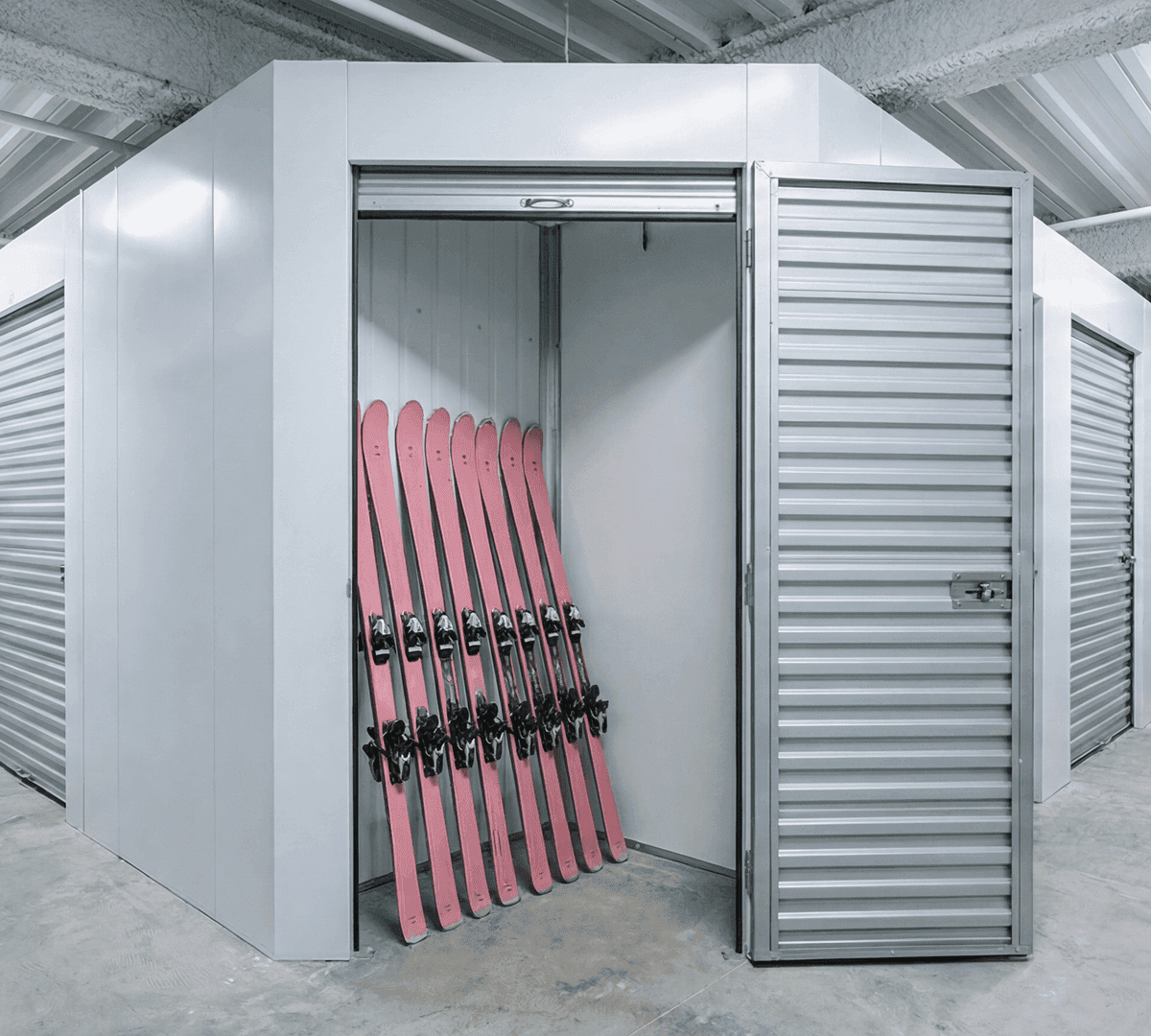
- Ski equipment after the season ends
- Holiday decorations
- Extra bedding and blankets
- Clothing for special occasions
These belongings don't necessarily need to occupy your most accessible storage spaces.
A simple approach is to separate everything into three categories:
Everyday essentials: Things you use weekly should stay easy to reach.
Occasional items: Things you use monthly can go on higher shelves, under beds, or in less accessible cabinets.
Seasonal belongings: Things you only need a few times a year can be packed away or stored outside your apartment.
This small change in thinking can make a surprisingly big difference.
For more ways to maximize your living space, check out our guide to 7 ways to make your small NYC apartment feel bigger.
2. Where to Store Suitcases in a Small Apartment
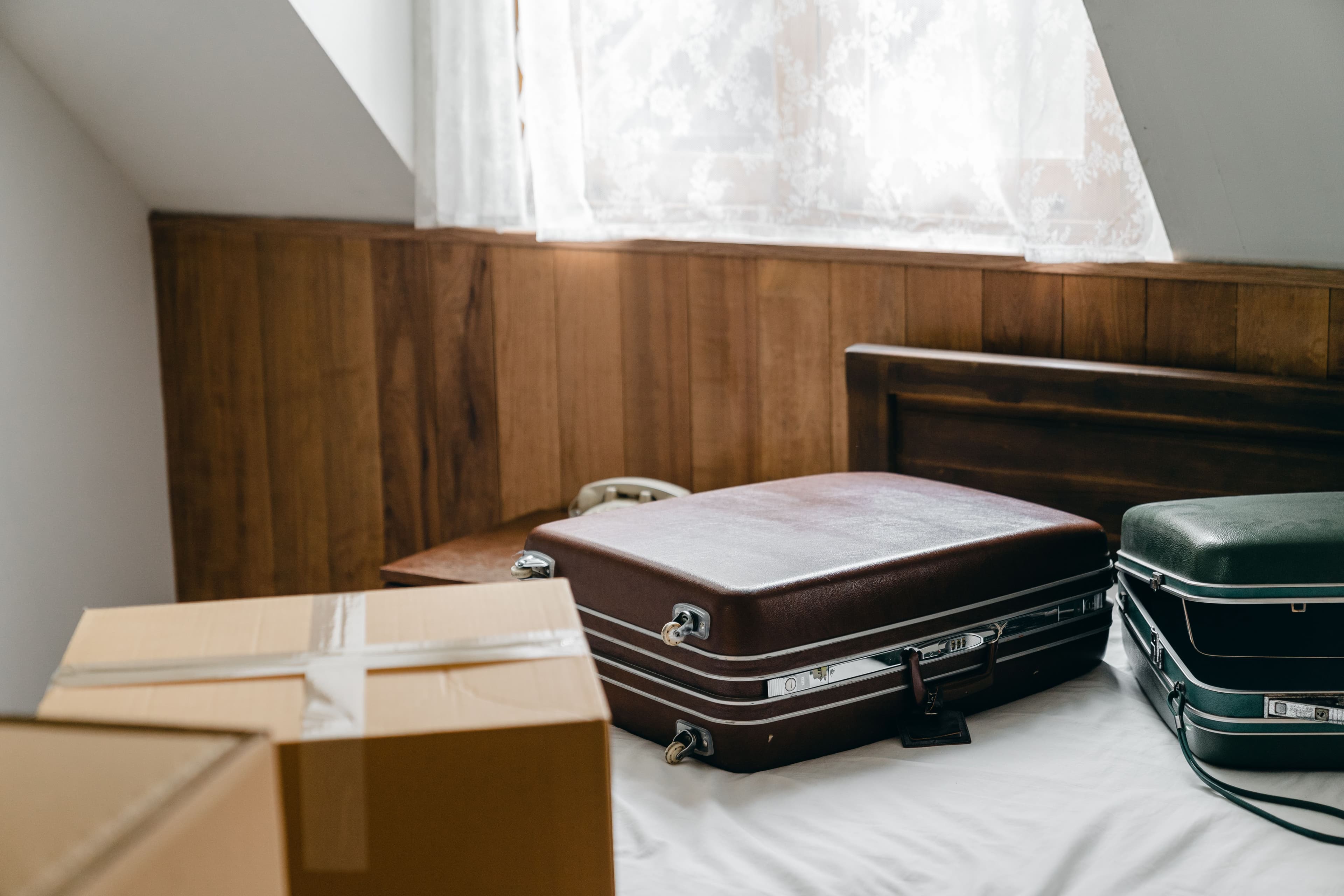
Suitcases are among the most awkward things to store in a NYC apartment.
They're bulky, difficult to stack, and often take up an unreasonable amount of closet space considering how infrequently they're used.
But there are a few ways to make luggage storage more manageable.
Nest Smaller Suitcases Inside Larger Ones
If you own multiple suitcases, try nesting smaller pieces of luggage inside larger ones.
This can reduce the amount of space your luggage collection occupies.
Make sure everything is completely dry before storing it, and avoid forcing bags together in ways that could damage their shape.
Use the Space Inside Your Luggage
An empty suitcase is essentially a storage container.
Use it to hold lightweight items such as:
- Off-season clothing
- Extra bedding
- Travel accessories
- Spare tote bags
- Packing cubes
Just avoid overpacking anything that could damage the suitcase lining or structure.
Store Luggage Under Your Bed
If your bed frame provides enough clearance, under-bed storage can be one of the easiest ways to keep luggage out of sight.
Measure the height of your suitcase before attempting this.
Low-profile luggage or soft-sided travel bags generally work better than oversized hard-shell suitcases.
Consider Off-Site Luggage Storage
If you travel only a few times a year, keeping multiple suitcases in your bedroom closet may not be the best use of space.
A small storage unit can be useful for luggage you don't need regularly, particularly when you have limited closet space.
For NYC renters, having a nearby storage option can make this practical without requiring a long trip across the city.
The goal isn't to find more places to hide your suitcases. It's to stop letting them dictate how you use your apartment.
3. How to Store Winter Clothes Without Taking Over Your Closet
If you live in New York, you know how much space winter clothing can occupy.
Heavy coats, sweaters, scarves, boots, and thermal layers can easily consume most of a small closet.
But when summer arrives, there's little reason for your entire winter wardrobe to remain front and center.
Clean Everything Before Storing It
Before packing away winter clothes, make sure they're clean and completely dry.
Sweat, oils, and food residue can attract pests or cause unpleasant odors during long-term storage.
Follow garment care labels, especially for wool, cashmere, down jackets, and delicate fabrics.
Choose the Right Storage Containers
Different clothing materials benefit from different storage methods.
For example:
- Sweaters and knitwear: Fold rather than hang to help maintain their shape.
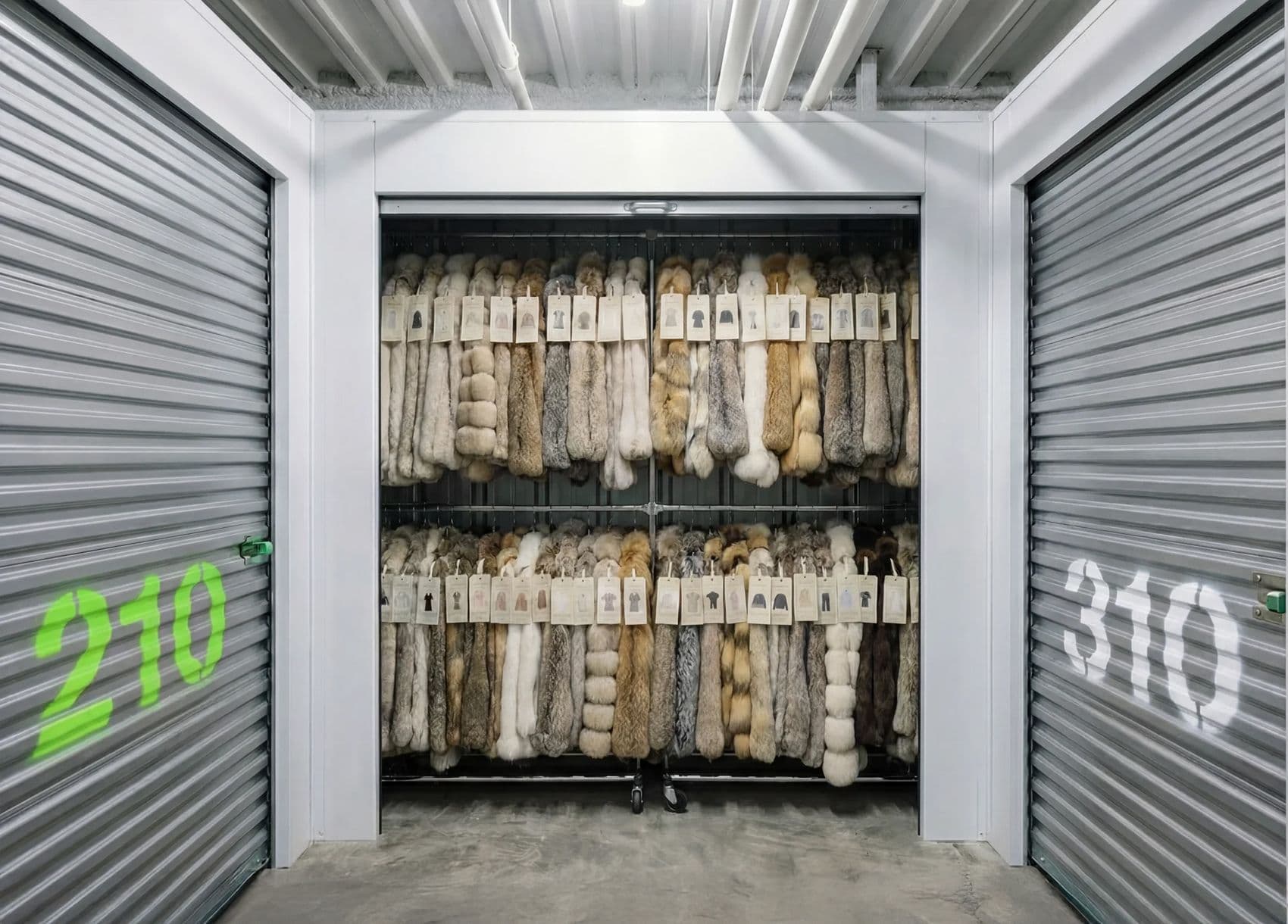
- Winter coats: Use breathable garment bags where appropriate.
- Scarves and accessories: Store in labeled containers.
- Winter boots: Clean, dry, and support their shape before putting them away.
Vacuum storage bags can save space for some items, but they're not ideal for every material. Avoid compressing delicate fabrics or down-filled garments for extended periods.
Label Your Seasonal Storage
You might remember exactly what's in each box today.
Six months from now? Probably not.
Use simple labels such as:
- Winter coats
- Sweaters and thermals
- Scarves and gloves
- Winter accessories
This makes seasonal wardrobe changes faster and less frustrating.
Keep Seasonal Clothes Somewhere Dry
Moisture can damage stored clothing, particularly over long periods.
Avoid damp basements, poorly ventilated areas, and locations where belongings may be exposed to water.
If you're considering self-storage, check the facility's environmental conditions and whether they're suitable for your particular belongings.
For New Yorkers looking to free up closet space, our guide to affordable storage in Manhattan explains what to consider before renting a unit.
4. Make Better Use of Vertical and Hidden Storage
When floor space is limited, the answer is often to use the space you already have more intelligently.
Look around your apartment.
Need storage?
Check available Urban Stash units near you.
Are there empty walls above your furniture? Unused space under your bed? High shelves that aren't serving much purpose?
These areas can provide valuable storage without making your home feel more crowded.
Some practical ideas include:
- Over-the-door organizers: Useful for accessories, shoes, and smaller belongings.
- High closet shelves: Ideal for lightweight seasonal items.
- Under-bed containers: Great for extra bedding and clothing.
- Wall-mounted hooks: Helpful for everyday bags and jackets.
- Storage ottomans: Combine seating with hidden storage.
- Tall shelving units: Make use of vertical space without taking up much floor area.
One important rule: Don't turn every available surface into storage.
A room filled with shelves, bins, and organizers can still feel cluttered.
The objective is to make your apartment more functional, not simply fit more belongings into it.
5. Store Seasonal Items Together
One of the easiest ways to stay organized is to group belongings based on when you use them.
Instead of scattering seasonal items across different closets and drawers, create dedicated storage categories.
Winter Storage
- Heavy coats and jackets
- Boots and winter shoes
- Scarves, gloves, and hats
- Ski and snowboarding equipment
- Extra blankets
Summer Storage
- Beach bags
- Seasonal clothing
- Fans and summer accessories
- Camping equipment
- Outdoor recreational gear
Occasional Storage
- Holiday decorations
- Large suitcases
- Extra bedding
- Special-event clothing
- Rarely used household items
Keeping these categories together makes it easier to rotate belongings throughout the year.
It also helps you identify how much space you genuinely need.
If your seasonal belongings take up an entire closet, that may be a sign that storing some of them elsewhere would make everyday life easier.
6. Know When Your Apartment Has Reached Its Storage Limit
There's a point where better organization stops being the answer.
You can buy more shelves, invest in storage furniture, and reorganize every closet, but none of those solutions creates additional square footage.
Sometimes, the issue isn't how you're organizing your belongings.
It's simply that you have more stuff than your apartment can comfortably hold.
This is especially common in NYC, where apartments often have limited closet space and storage areas.
Here are a few signs that you've reached that point:
- Your suitcases are permanently stored in your bedroom.
- Your closets are filled with clothing you won't wear for months.
- You regularly move boxes around to access everyday belongings.
- You avoid buying things you need because there's nowhere to put them.
- Your apartment feels cluttered even after you've cleaned and organized.
If any of these sound familiar, it may be time to consider storing some belongings outside your apartment.
7. Consider Neighborhood Storage Instead of a Bigger Apartment
For many New Yorkers, moving into a larger apartment isn't realistic—or necessary.
If the main problem is finding space for suitcases, seasonal clothes, and occasional-use belongings, a small self-storage unit may be a more practical solution.
Instead of paying for extra apartment square footage year-round, you can keep the things you don't need every day in a separate space.
But convenience matters.
A storage facility that's difficult to reach can quickly become more trouble than it's worth.
When choosing storage in NYC, consider:
- Location: Is it close enough to access when needed?
- Unit size: Are you paying for more space than necessary?
- Access hours: Can you visit when your schedule allows?
- Security: How are the facility and individual units secured?
- Pricing: What is the total monthly cost?
- Flexibility: Can you rent without a long-term commitment?
A Smarter Approach to Storage With Urban Stash
At Urban Stash, we believe your apartment should be a place to live, not just a place to store things.
That's why we're rethinking traditional self-storage for city living.
Our neighborhood storage spaces are designed to make storing your belongings more convenient, with smart access technology, flexible month-to-month rentals, and locations integrated into the neighborhoods where New Yorkers live.
For renters in Lower Manhattan, explore our East Village storage location.
If you're based in Brooklyn, you can also check our Williamsburg storage location for current details and availability.
Whether you're storing luggage between trips or rotating seasonal wardrobes, the right storage solution can help you reclaim valuable room at home.
[Explore Urban Stash Storage Units](https://urbanstash.co/units)
Frequently Asked Questions
Where can I store suitcases in a small NYC apartment?
You can store suitcases under your bed, on high closet shelves, or nested inside one another. If you have several large suitcases or rarely travel, a nearby storage unit may help free up valuable closet space.
How should I store winter coats during summer?
Clean and completely dry your coats before storing them. Use breathable garment bags or suitable storage containers, depending on the fabric. Keep them in a dry location away from moisture and direct sunlight.
Is it okay to store clothes inside suitcases?
Yes, clean and dry suitcases can be useful for storing lightweight clothing and travel accessories. Avoid overpacking, and make sure garments are properly cleaned and suitable for the storage conditions.
Are vacuum storage bags good for winter clothing?
Vacuum storage bags can help reduce the space occupied by some clothing and bedding. However, they aren't suitable for every material. Delicate fabrics and down-filled items may be damaged by prolonged compression.
Is renting storage cheaper than moving to a bigger apartment?
It can be, depending on your rent, the cost of a larger apartment, and the storage unit you choose. If you only need additional space for occasional-use belongings, renting a small storage unit may be more economical than upgrading your apartment.
Does Urban Stash offer month-to-month storage?
Yes. Urban Stash offers month-to-month rentals, subject to a minimum of one full calendar month and the notice requirements in your rental agreement.
Where can I find storage for seasonal belongings in Manhattan?
You can explore Urban Stash's East Village location or browse available NYC storage units to find a suitable option.
Final Thoughts: Make More Room for Living
Living in a small NYC apartment doesn't mean you have to give up the things you love.
Sometimes, it just means being more intentional about where you keep them.
By organizing your seasonal belongings, using hidden storage, and moving rarely used items out of your everyday living space, you can create a home that feels more open, comfortable, and functional.
And if your closets have reached their limit, you don't necessarily need a bigger apartment.
You might just need a little extra space nearby.
Less clutter. More room to live.
That's what Urban Stash is all about.
Ready for more room?
Find a storage unit that fits your stuff
Browse available units, compare sizes, and reserve online in a few minutes.